Please Follow us on Gab, Minds, Telegram, Rumble, Gettr, Truth Social, Twitter, YouTube, Instagram
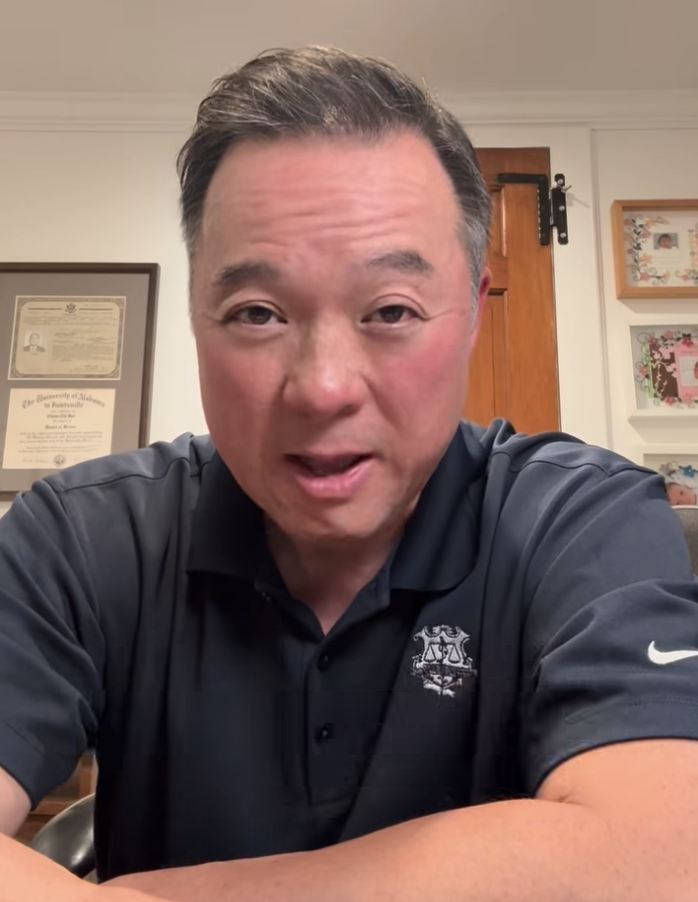
Attorney General William Tong has struck again. In what amounts to his 73rd major legal or administrative action against the Trump administration since the election—following his own post-election claims of 72 lawsuits and related filings—Tong joined a coalition of 24 blue-state attorneys general and two governors in a formal comment letter opposing proposed U.S. Census Bureau changes to the 2030 Census on November 5.
The proposed rule would exclude millions of noncitizens who lack durable legal status (undocumented immigrants, temporary visa holders, many refugees, asylum seekers, and certain others) from the apportionment count used for congressional seats and Electoral College votes. It would also drop questions on race, ethnicity, and sexual orientation from the short form, and refine the longstanding “usual residence” standard so people are counted where they actually maintain an enduring tie rather than at vacation homes or temporary locations.
Tong’s office framed the changes as a “strained scheme” by President Trump to “manipulate the census” and shift power and taxpayer funding toward preferred states. In the release, Tong declared: “Donald Trump wants to manipulate the census to hand taxpayer funding and political power to states he prefers. He has concocted a strained scheme to count people where they spend winters—shifting power from the Milfords and Marlboroughs to the Mar-a-Lagos. For the first time in our nation’s 250-year history, Trump would exclude immigrants from the count… And, for the first time in more than 50 years, he would further strip the census of critical demographic data… His plot is plainly illegal, and should be reversed immediately.”
Lt. Governor Susan Bysiewicz echoed the line, warning that the rule would make it “impossible” for the Census Bureau to count “all communities equally.”
The Actual Proposal
According to the Census Bureau’s notice of proposed rulemaking, the changes target the apportionment base specifically. Only U.S. citizens and lawful permanent residents (green-card holders) would be included for House seat and Electoral College calculations. The Bureau has argued that illegal aliens and those with less durable status lack the “sufficient tie and allegiance” required to be treated as usual residents for apportionment purposes. Race and ethnicity questions—present in some form since 1790—would be removed from the short form in favor of a color-blind approach, with greater reliance on administrative records.
The coalition letter, joined by the attorneys general of Arizona, California, Colorado, Delaware, Hawai‘i, Illinois, Maine, Maryland, Massachusetts, Michigan, Minnesota, Nevada, New Jersey, New Mexico, New York, North Carolina, Oregon, Rhode Island, Vermont, Virginia, Washington, Wisconsin, and the District of Columbia (plus the governors of Kentucky and Pennsylvania), contends the rule violates the Fourteenth Amendment’s “whole number of persons” language, the Census Act, and longstanding practice. They further claim dropping demographic questions would harm enforcement of antidiscrimination laws and policy-making, and that the residence tweak would distort counts.
Context and Counterpoints
Tong has made multistate coalition lawsuits and comment letters a hallmark of his tenure, repeatedly partnering with the same Democrat attorneys general (particularly from California, New York, and Illinois) to challenge Trump administration immigration enforcement, funding conditions, regulatory rollbacks, and data policies. Earlier Centinal reporting tracked dozens of such actions; Tong’s own post-election comments put the total near 72 before this latest coalition effort, effectively making the Attorney General’s office a de facto resistance apparatus rather than a focused defender of state interests.
On the merits, the Trump proposal seeks to align the apportionment count more closely with those who have permanent legal ties to the United States, rather than allowing sanctuary jurisdictions to inflate their political power and federal funding formulas through large noncitizen populations. Historical practice has included noncitizens, but the Constitution’s text (“persons in each State”) and the Census Bureau’s own evolving residence rules leave room for administrative interpretation of who qualifies as a usual resident with an enduring connection. Removing race, ethnicity, and sexual-orientation questions reduces the collection of highly politicized identity data that has increasingly been used for redistricting and equity-based funding disputes rather than basic enumeration.
The residence standard change is intended to prevent counting people at temporary or seasonal locations (the “Mar-a-Lago” example Tong cites) instead of their actual primary home. Whether courts will ultimately uphold the final rule remains to be seen—past efforts to adjust the count faced litigation, and this proposal is still in the comment phase. For now, it is simply the latest target of Tong’s coordinated blue-state opposition.
Connecticut taxpayers will continue to fund the Attorney General’s participation in these multistate efforts. As with prior Tongfare actions, the comment letter prioritizes maximizing noncitizen inclusion in political apportionment over stricter accuracy limited to citizens and permanent residents.


Stay updated with the latest in the Constitution State with The CT Centinal