Please Follow us on Gab, Minds, Telegram, Rumble, Gettr, Truth Social, Twitter, YouTube, Instagram
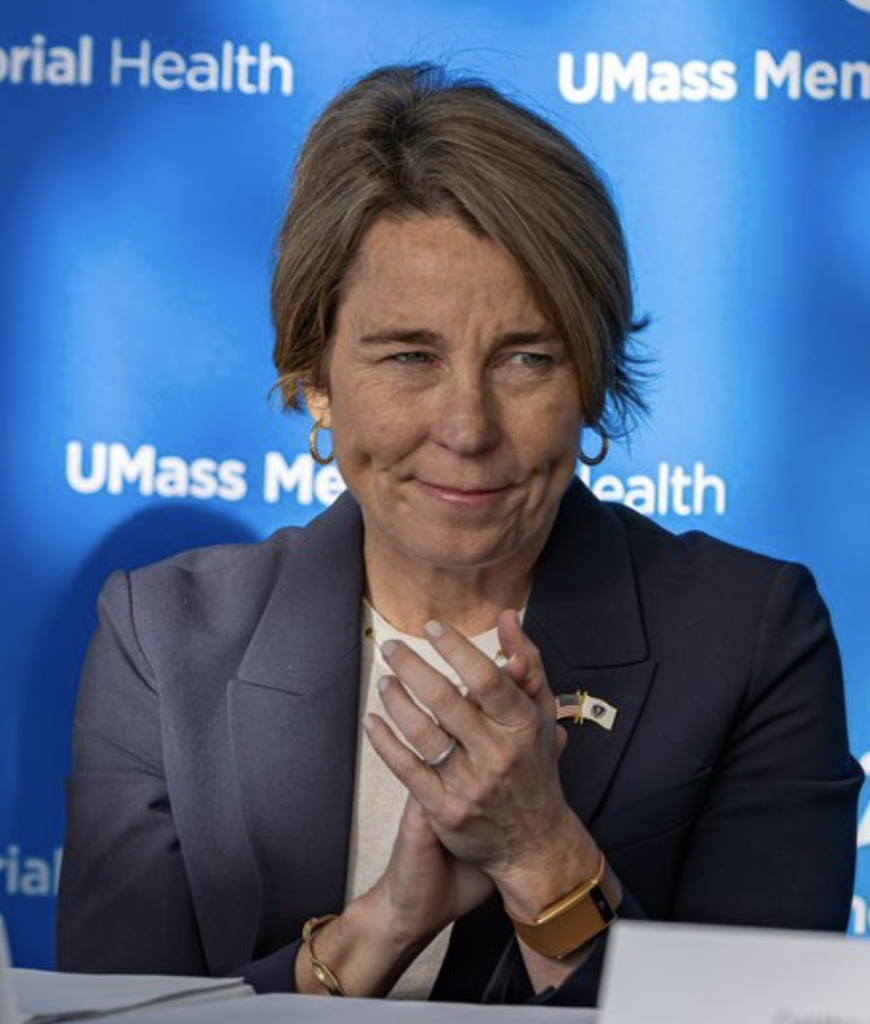
Massachusetts Gov. Maura Healey (D) signed an emergency preamble to immediately force the enactment of an extreme abortion law, undercutting more than 113,000 pro-life voters who signed a suspension bid to allow for a hold on the law until a ballot initiative decides the issue in 2028.
In a Substack column Friday, Healey justified her move with the manipulative narrative abortion proponents customarily use to push for abortion up until birth for any reason: the case of a woman who discovers in her ninth month of pregnancy that her baby has a prenatal diagnosis and subsequently decides she must end the baby’s life in utero rather than strive to cope with the pain of a child who may need medical care or who may not live.
Healey insisted upon the urgency of enacting the law immediately, suggesting there are many women in this situation who must leave Massachusetts to terminate the lives of nearly nine-month old preborn babies when they could simply undergo a late-term abortion right in their home state:
Think about that. Here in Massachusetts, home to the best doctors and hospitals in the world and some of the strongest abortion protections in the country, a family facing unimaginable heartbreak was turned away. They were fortunate to have the resources to travel out of state and pay out of pocket for care – many others cannot.
And they’re not alone.
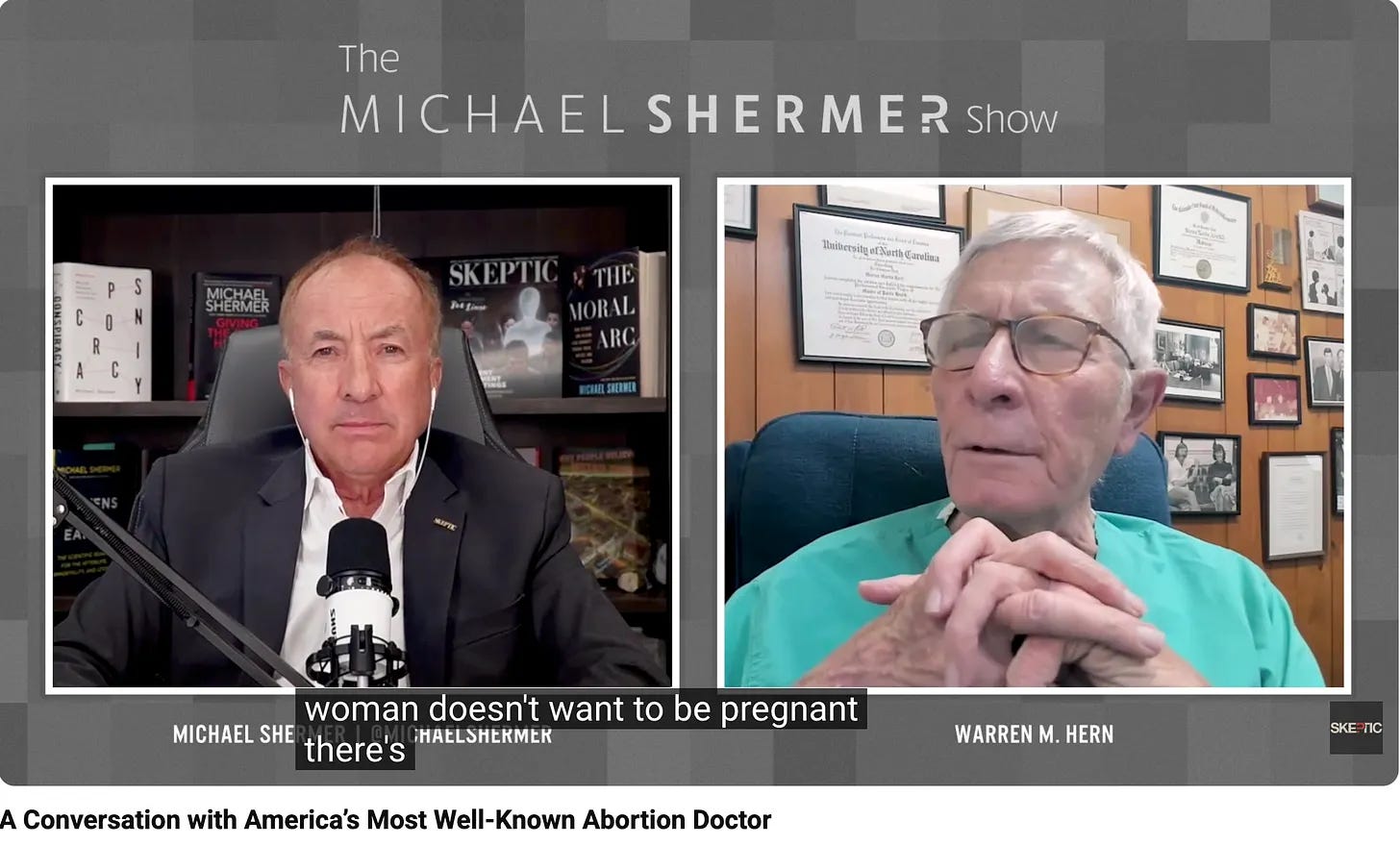
However, the claim that women who seek late-term abortions do so because of the sudden discovery of a serious pre-natal diagnosis has been debunked by the pro-abortion rights Guttmacher Institute and by abortionists themselves, including Ron Fitzsimmons, former Director of the National Coalition of Abortion Providers, and Warren Hern.
In 2013, the Guttmacher Institute released a study that found women seeking both first-trimester and late-term abortions provided the same reasons for delaying the procedure, including “not knowing about the pregnancy,” “trouble deciding about the abortion,” and “disagreeing about the abortion with the man involved.”
The study’s researchers concluded, against the claim of abortion rights activists, that “most women seeking later terminations are not doing so for reasons of fetal anomaly or life endangerment.”
In October, Dr. Christina Francis, CEO of the American Association of Pro-Life Obstetricians and Gynecologists (AAPLOG) debated pro-abortion rights ophthalmologist Dr. Vicki Chan about the issue of late-term abortions.
“Dr. Chan, I am sorry that you are an ophthalmologist and you think that you know about late in pregnancy abortions,” Francis said, citing Hern, who told the Atlantic that most third-trimester abortions were performed on healthy mothers and babies.
Additionally, the OB/GYN cited the case of abortionist and convicted murderer Kermit Gosnell, who was found guilty of killing term babies or near-term babies after they were born alive following botched abortions performed on healthy moms and healthy babies.
“[T]hese are absolutely happening,” Francis asserted. “And when a law allows for no term limits, it allows for doctors and patients to choose to kill healthy babies that could survive outside of the womb.”
But Francis also squarely addressed the narrative that a mother has the right to simply end the life of a near-term baby who might be less than perfect.
“A prenatal diagnosis does not mean that we have the right to intentionally kill a child,” she said. “Oftentimes, women receive these prenatal diagnoses, but we don’t know that baby’s chance at survival. We used to think that trisomy 18 was a diagnosis that no baby would survive, and now we know that if we give these babies medical care, they actually do survive a significant portion of the time.”
“So, there is never a medical necessity for a late in pregnancy abortion, and laws that do not put limits on abortion would absolutely allow for a doctor, for money, to abort a baby at 39 weeks and six days, or even when a woman is in active labor,” she added.
But Healey went even further in her justification for her “emergency” enactment of the law that expands abortion rights up until birth without restriction and with the approval of a single doctor – one who might even be a late-term abortionist about to earn a substantial fee.
The governor claimed it is her ‘Catholic’ faith that led her to allow the extermination of babies up until birth:
I am Catholic, and my faith is an important part of who I am. It has shaped my understanding of service, responsibility and our obligation to care for others. My faith teaches me to meet people with compassion, respect their dignity, and approach suffering with humility.
Archbishop Richard Henning of the Archdiocese of Boston, and the other Catholic bishops of Massachusetts, nevertheless, immediately published a statement on Saturday in which they referred to the law as part of a “utilitarian and merciless” aspect of our culture.
“[W]e respectfully and passionately disagree that abortion, the taking of human life, may be considered health care,” the bishops wrote. “We also disagree that there is an emergency requiring the further expansion of the existing and already radically permissive law.”
Citing the recent words of Pope Leo XIV to the people of Uruguay – Latin America’s most secular country – the bishops noted the Holy Father told them that “the unborn already belong to the human family.”
“[P]rotecting unborn children must be accompanied by support for mothers, fathers and families,” the bishops summarized the pope’s message. “He challenged his listeners to understand that illness, disability, physical pain, and the loss of autonomy do not diminish a person’s value.”



Stay updated with the latest in the Constitution State with The CT Centinal