Please Follow us on Gab, Minds, Telegram, Rumble, Gettr, Truth Social, Twitter, YouTube, Instagram
Look, I’ll say this up front so nobody twists it. If you’re doing 35 in a 25 past an elementary school, slow down. I don’t care what town you’re from. That’s not the argument.
The argument is about the story we got told the day before Thanksgiving.
CT Insider ran it Wednesday morning, November 25. Headline: “Fairfield speed camera citations fell 40% from July to October -- and most tickets go to nonresidents.” And the very first line says the data “shows Fairfield’s school zone speed cameras have led to a significant reduction in speeding.”
Led to. Significant. Not “officials say.” Not “the town claims.” The paper said it.
So I went and got the data. It’s right there on the town’s website. Month by month. Citations mailed, gross revenue, a processing fee, and something the town calls “anticipated revenue.” Walk with me.
June: 25,430 citations. July: 25,972. August: 18,973. September: 18,018. October: 15,616.
From July to October, that’s a drop of about 40 percent. The paper got that right. Fair is fair.
Now look at which month sits on top. July.
Here’s the thing. Fairfield Public Schools posts its calendar. The first day of school this year was September 1. Teachers came back for training days at the end of August. July? Nothing. No buses. No classes.
So the busiest month for Fairfield’s school zone speed cameras was a month when Fairfield’s public schools weren’t in session. Not one day. And if you add July and August together, that’s 44,945 citations mailed in two months with no classes.
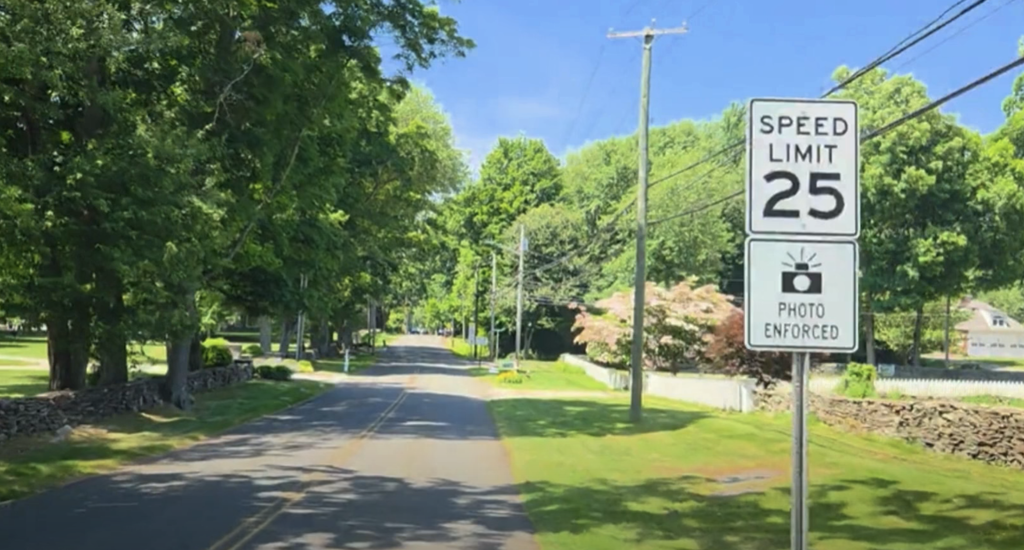
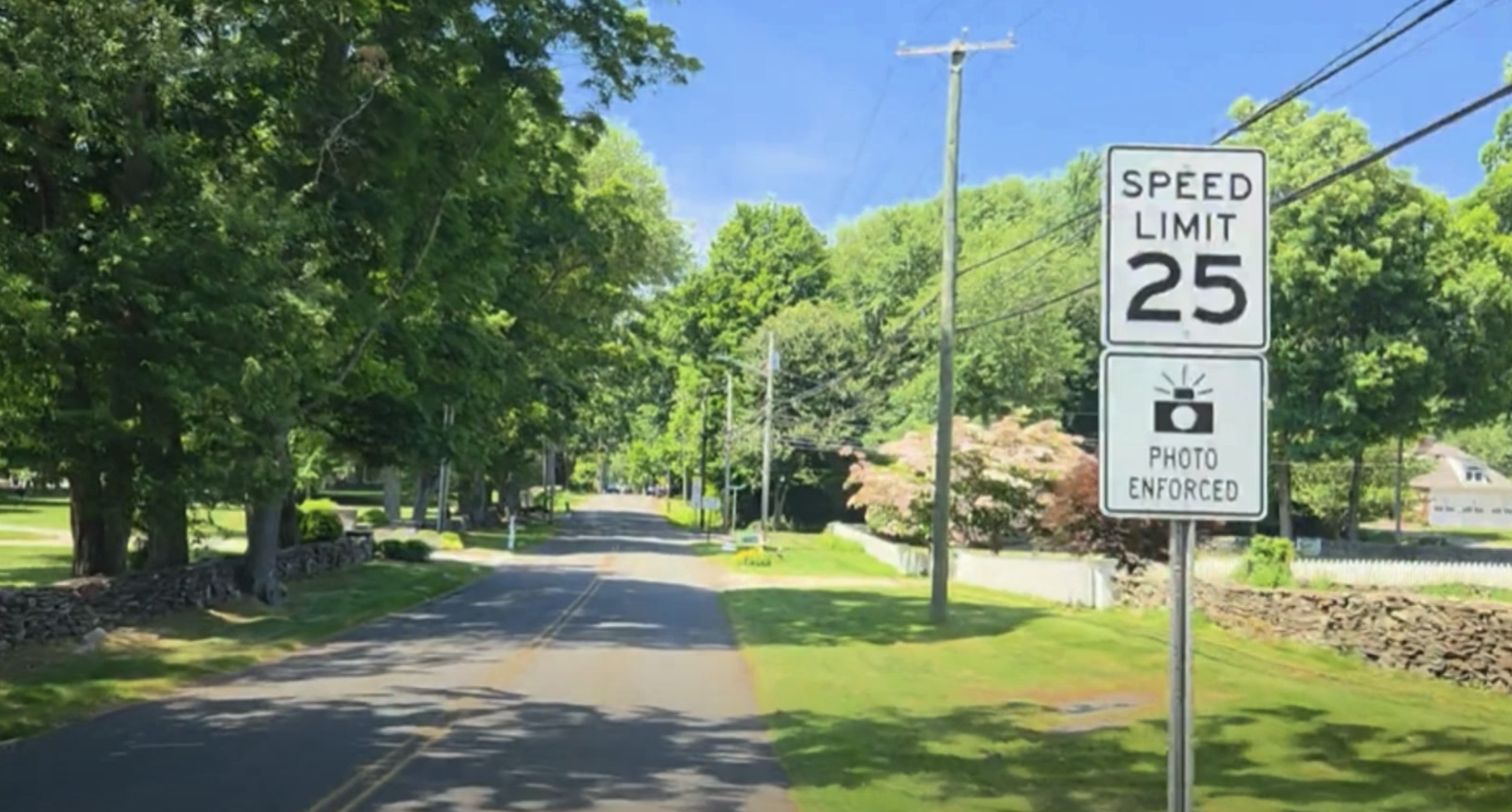
How does that happen? The town’s own FAQ answers it. The cameras “operate continuously, 24/7.” The 20 mile-an-hour limit only kicks in for about an hour in the morning and an hour in the afternoon. The rest of the time, and all summer long, they run on the regular posted limit. School zone on the sign. Camera on around the clock.
I didn’t read that in the story.
Let’s talk money. The paper says Fairfield, quote, “continues to bring in significant revenue with about $950,000 in fines issued in October.” And that since June, the town “has issued tickets that netted nearly $6 million.” Netted. Hold onto that word.
Go to the town’s table. That $950,000 in October is the fine part. What drivers actually got billed in October, fee included, was $1,185,615. And the “nearly $6 million”? Add up the town’s anticipated revenue column and you get $5,950,695. Add up the gross and you get $7,510,830.
So where’s the other million and a half? Processing fees. Fifteen bucks a ticket. The town’s own page says that fee “is collected by Altumint, the Town’s Speed Safety Camera vendor.” Five months of those fees: $1,560,135. That number isn’t anywhere in the story. Neither is the vendor’s name.
And “netted”? The town itself puts an asterisk on that column. “Anticipated revenue will be reduced based on number of appeals approved and expenses to run the program.” Anticipated. Not netted. Billed isn’t banked, folks.
Now, who’s paying? The paper told us that part, to its credit. In October, Fairfield residents were 19.3 percent of the tickets. That means 80.7 percent went to people who don’t live there. People who can’t vote for the first selectperson. Can’t show up and vote out the RTM. Just mail in the check.
Somebody else’s wallet. Your roads.
Add it all up. Five months of cameras, 104,009 citations mailed.
So did the cameras slow people down? Maybe. Fewer tickets could mean better driving. I hope it does. But “fewer citations” and “a significant reduction in speeding” aren’t the same sentence. The story gave us no speed readings. No traffic counts. Not one crash number. The paper says the police spokesperson credited the drop despite more traffic from college students coming back. Okay. How much more traffic? The story doesn’t say.
And crash data is the whole point. The town’s FAQ says the goal is “to reduce crashes, injuries, and fatalities.” State law makes towns report to the DOT and the legislature within 18 months, crash numbers included, if they’re available. So the scorecard that matters is coming. The paper just called the game early.
The first selectperson said the data “shows citations continue to decline as people are slowing down.” The paper’s lead sentence says the same thing, minus the quote marks. That’s not reporting. That’s a press release with a byline.
Look. Safety is the sign on the pole. Revenue is the number in the table. And the best month on that table was a month when school was out.
You want me to believe it’s about the children? Show me the crash numbers. Show me where the money went. And next July, when the school’s locked up for the summer, turn the cameras off.
Watch how fast they find a reason not to.
This has been The Rundown. Reading between the headlines.





Stay updated with the latest in the Constitution State with The CT Centinal