Please Follow us on Gab, Minds, Telegram, Rumble, Gettr, Truth Social, Twitter, YouTube
On Palm Sunday, Christ entered Jerusalem on a donkey. That mattered.
He did not arrive on a war horse. He did not come in imperial splendor. He did not demand power through force, fear, or spectacle.
The donkey was a sign of humility, peace, restraint, and servant leadership. The Donkey is also the symbol of the Democrat party that was on display at yesterday’s “No Kings” rallies through the country.

That is why Palm Sunday should mean something to anyone who says, “No Kings.”
If you really oppose kings, then you should also oppose arrogance in government. You should oppose leaders who rule by mandate, intimidation, and moral superiority. You should oppose the idea that the people in power always know best, that parents must submit, that patients must comply, and that dissent is something to be crushed instead of heard.
This voice of dissent is growing and has been heard in testimony at the Capitol, yet these voices are being ignored. Politicians represent all citizens, not just those they agree with.
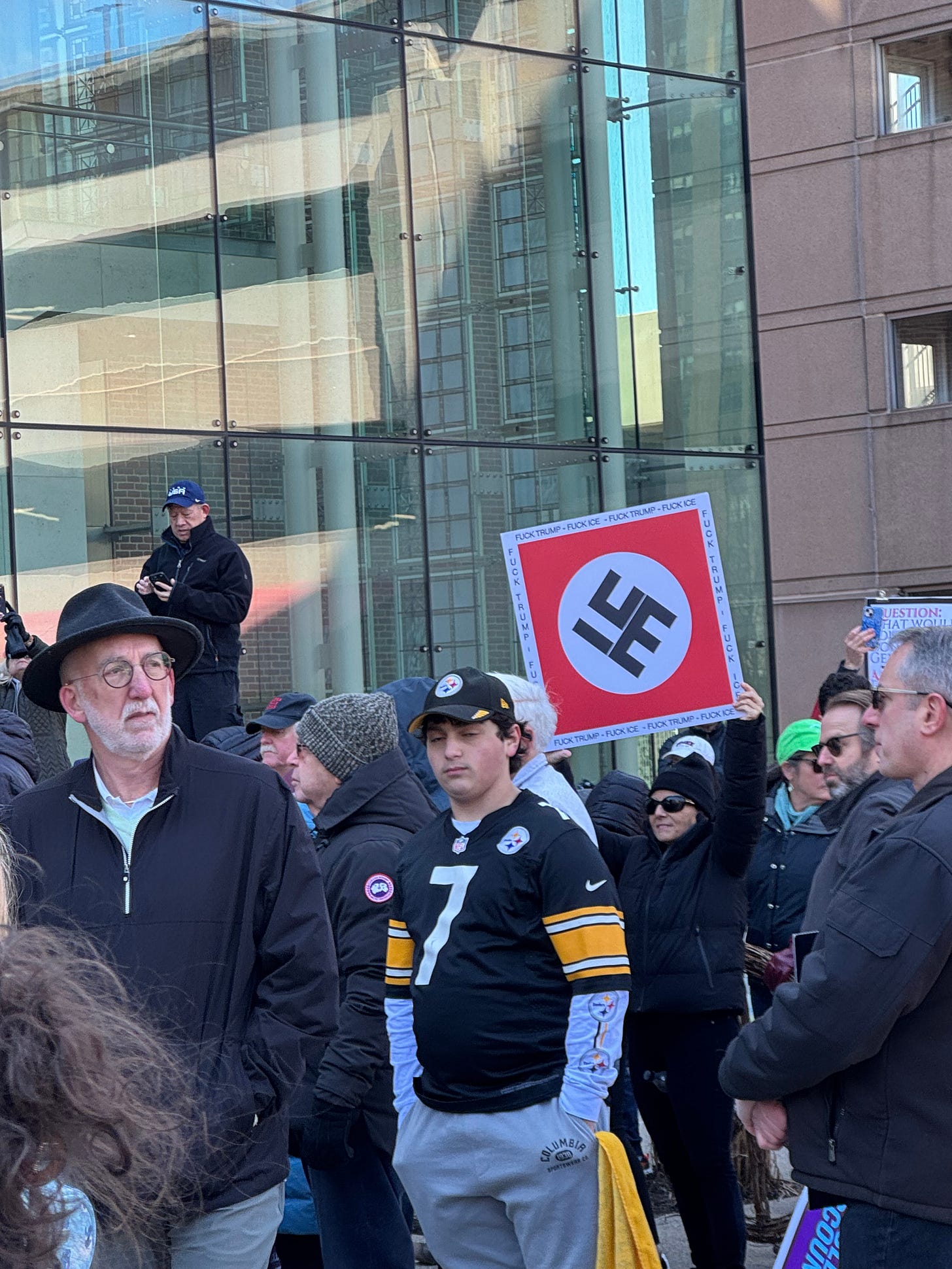
That is the problem with so much of the modern “No Kings” movement. It uses the language of anti-authoritarianism, but too often without the humility that Palm Sunday represents. The slogan says no kings, but the attitude often says: submit to our views, our priorities, our moral certainty, or be shamed into silence.
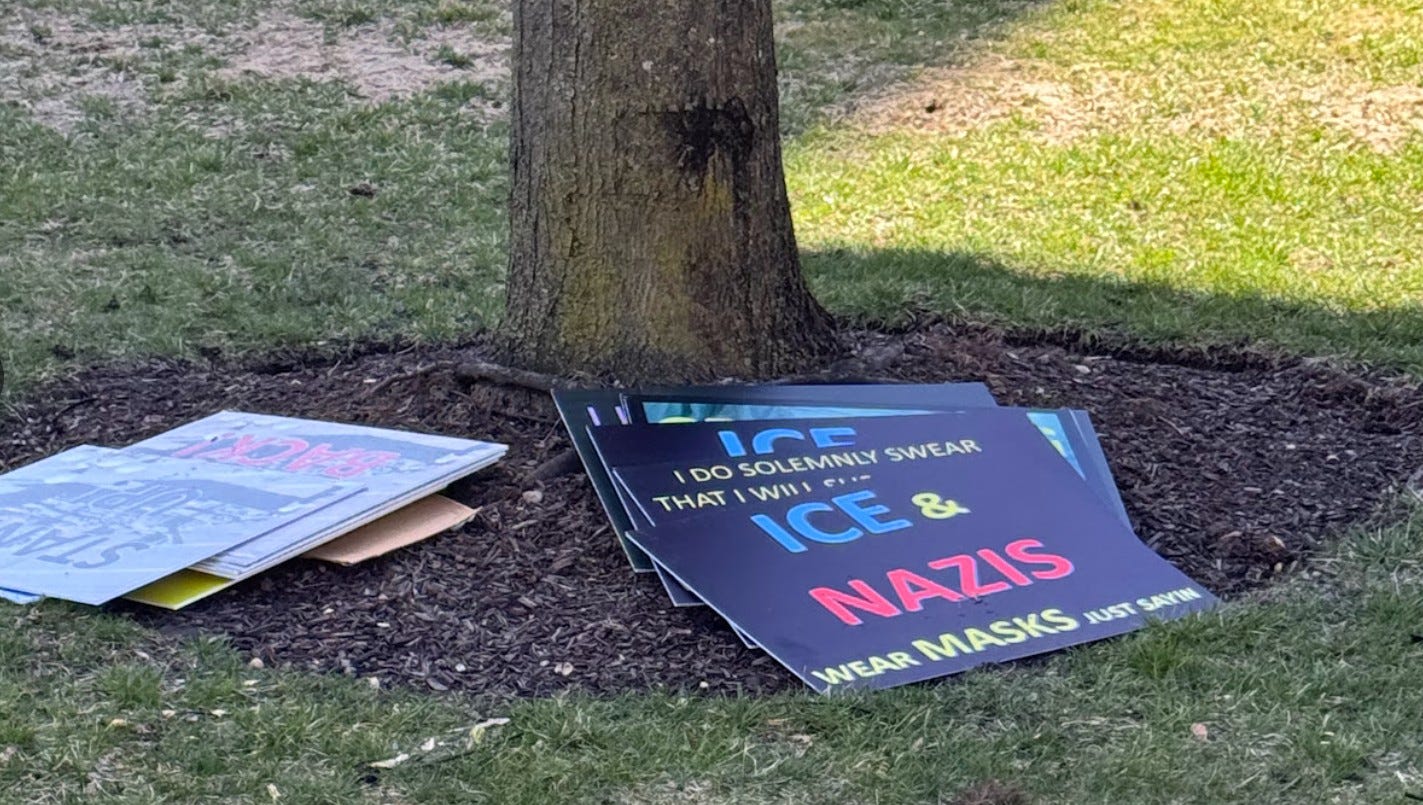
I attended to raise awareness of a different “no kings” message: no kings in healthcare, no kings in education, no kings over parental rights, and no kings over medical conscience. In Connecticut, we have seen what happens when government grows comfortable with too much power and too little humility. We have a ruling culture that too often acts as though officials and bureaucracies should have the final word over families, medical decisions, and the raising of children.
What struck me most was that the counter protesters were peaceful. The anger came more from many of those supporting “No Kings.” That irony was hard to ignore. A movement that claims to resist authoritarianism should be able to handle disagreement. It should be able to tolerate discussion. It should not react with hostility when someone applies its own slogan consistently to raise the same themes that buck the foundation of the movement.

To be fair, a few people did understand the point. A very small number agreed that “No Kings” should also apply in healthcare and education. That mattered as they were willing to stand up and confront those that could have ousted them for such agreement with me and disagreement for the herd.
Even a little agreement is better than none. It showed that some still understand that the principle is bigger than the politics of the moment.

Palm Sunday reminds us that the donkey is not just an animal in a parade. It is a symbol. It is a reminder that true authority is marked by humility. True leadership serves. True strength does not bully; it listens and engages and welcomes an expression of disagreement in search of the common ground for the greater good.
So if “No Kings” means anything, it should mean more than opposition to one man, one office, or one political party. It should mean rejecting every form of prideful, coercive rule. It should mean no kings in Washington, no kings in Hartford, no kings in healthcare, and no kings over the family.
It should also mean pointing out where our President has done something right for America and not only pointing out the perceived wrongs of his administration. This is why Sen. John Fetterman is such an important voice because he points out where President Trump is acting in the best interests of our nation despite unified opposition by his party.
The donkey of Palm Sunday meant humility. If today’s “No Kings” movement has lost that, then it has lost the most important part of the message.




Stay updated with the latest in the Constitution State with The CT Centinal