


Please Follow us on Gab, Minds, Telegram, Rumble, Gettr, Truth Social, Twitter, YouTube, Instagram
Alex Putterman’s piece in CT Insider (Hearst) on Connecticut Indivisible chapters “preparing for the possibility of election interference” is a textbook example of how the state’s dominant media outlets launder progressive activism as if it's their civic duty.
The article quotes Stamford, Hartford, and New Milford Indivisible leaders at length about mass street actions, confronting immigration officers at polling places, and coordinating with national “No Kings” networks if results don’t go their way. It frames their scenario planning as prudent and non-hysterical while treating the underlying premise—that the Trump administration will illegally interfere in Connecticut’s vote—as a reasonable starting point rather than a claim that requires scrutiny.
What the story does not do is examine Indivisible’s actual record or incentives.
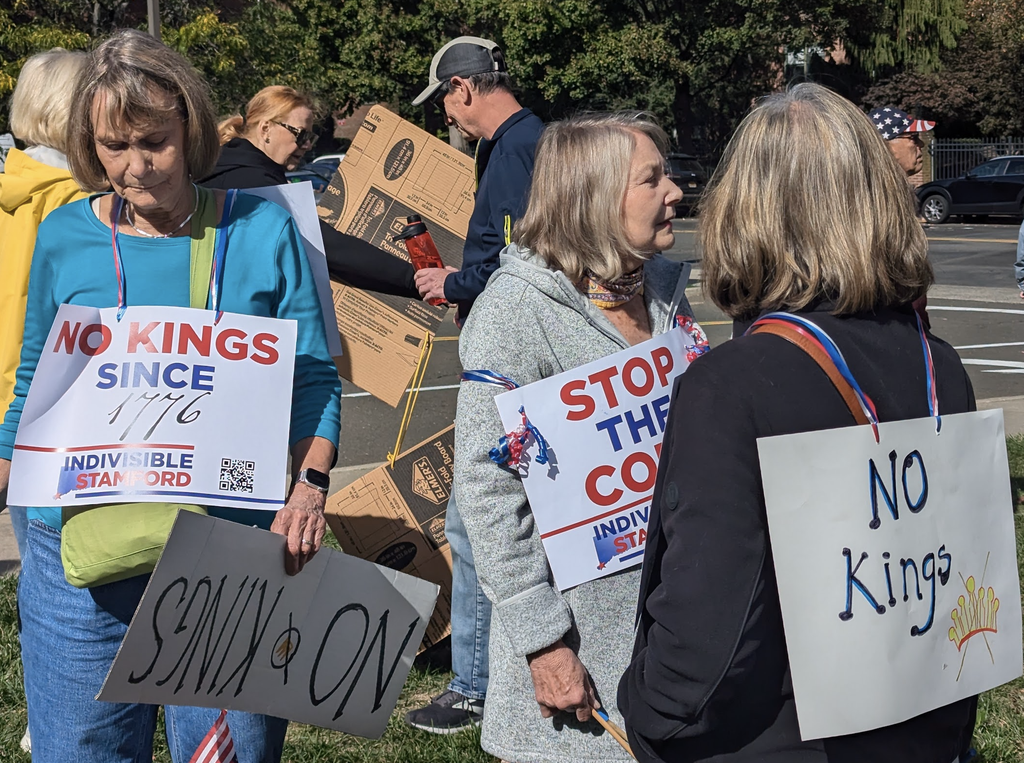
Indivisible activists are not neutral poll watchers or nonpartisan election integrity groups. Indivisible is a national progressive advocacy network that has spent years organizing resistance to Republican administrations, promoting large-scale protests, and pushing narratives of democratic crisis when elections produce outcomes its members dislike. The group has been documented as part of a network of organizations accused of planning a color revolution against the Trump administration. The Connecticut chapters have been active in “No Kings” protests including in October when state chapters couldn't even follow the rules outlined by Indivisible. Presenting their leaders as concerned citizens simply “gaming out” worst-case scenarios, without context about the organization’s partisan character or prior activism, is not journalism. It is platforming.
The piece notes, almost in passing, that Connecticut has no close federal races this cycle, no significant history of election denialism in state government, and no obvious reason for federal interference here. Activists themselves concede Connecticut is an unlikely flashpoint. Yet the article still centers their readiness for “mass action” and street pressure as the story. Meanwhile, documented problems with Connecticut’s voter rolls, same-day registration spikes, and resistance to basic federal monitoring receive far less sustained attention from the same outlets. When progressive groups assert that any challenge to results constitutes “interference,” Hearst-affiliated reporting treats the assertion as the news rather than testing it against evidence.
This is the same media ecosystem that has long amplified Indivisible and related groups while applying far higher skepticism to election-integrity concerns raised by Republicans or nonpartisan watchdogs. The result is not balanced coverage of election threats. It is selective amplification: left-wing organizing is covered as legitimate preparation for democracy’s defense, while parallel concerns from the other side are more often framed as conspiracy or suppression. Readers are left with the impression that the primary risk on Election Day comes from the federal government enforcing existing law, rather than from organized groups prepared to take to the streets if they dislike the outcome.
Connecticut’s dominant newspapers have every right to cover activist groups. They do not have the right to do so without identifying those groups’ clear partisan goals, without scrutinizing their claims, and without noting the one-sided nature of the globalist-funded “interference” narrative they are advancing. Treating Indivisible’s contingency plans as straightforward news is not neutrality. It is advocacy by other means.



Stay updated with the latest in the Constitution State with The CT Centinal


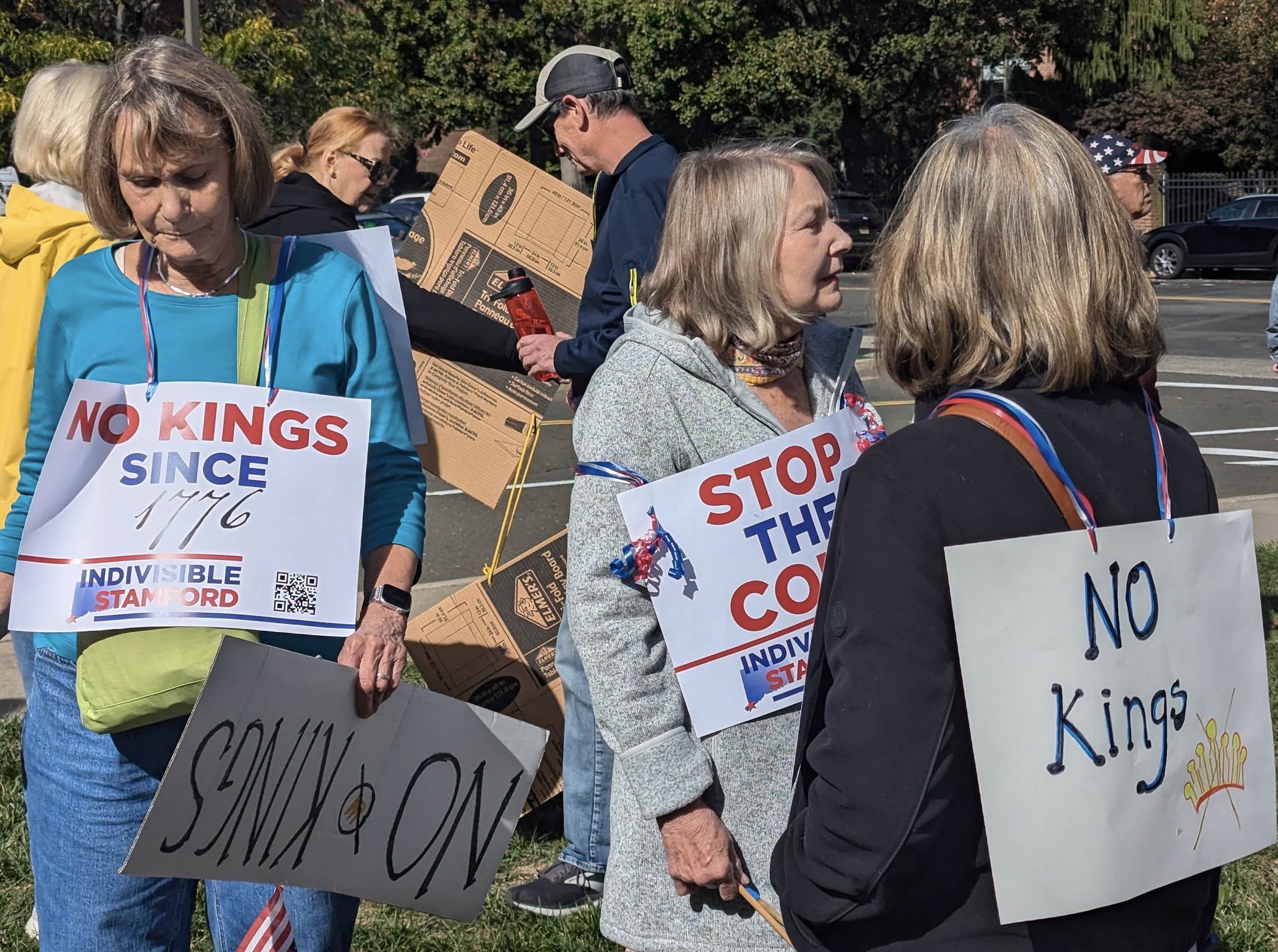
Complicit corrupt media and useful boomer idiots.